
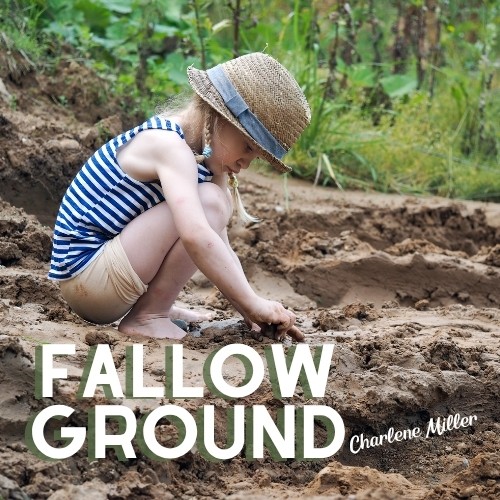
As a little girl, I always loved spring on our small family farm, especially when Dad “broke ground” for the garden. Something about walking barefoot behind the tractor as the plow turned the ground delighted me. I remember the freshly plowed undersoil mingling with the warm topsoil, slipping through my toes and covering my bare feet. This was long before the modern idea of earthing.* Still, apparently the little girl in me got it and embraced the concept with carefree abandon.
Today, my time in the dirt usually involves work, like weeding flower beds or tending the vegetable garden. Yet those activities still settle my soul and reset my mind. Time outdoors points me toward renewal: fresh air, warm sunshine, and productive work are great medicine for me.
Fallow Ground
In my weekly travels, I see a lot of church signs. I know what you are probably thinking, and you are right. Some are downright silly, but occasionally I run across one I find thought-provoking. Recently, as I drove by, a sign referring to Hosea 10:12 caught my eye, brought back sweet memories of Dad plowing the garden, and turned my thoughts to fallow ground:
“Sow for yourselves righteousness; Reap in mercy; Break up your fallow ground, For it is time to seek the Lord, Till He comes and rains righteousness on you.”
Like most people, I don’t study Hosea often. Still, Hosea’s prophecy (755-725 BC) clearly addresses Israel’s spiritual unfaithfulness and God’s redeeming love. It calls us to repentance, promises restoration to those who accept Him, and points us to the central truth: God calls us to turn back to Him, break up what is hardened, and be restored.
Scriptural Usage
“Fallow ground” refers to agricultural land left unplanted to restore fertility. Farmers plow the property but leave it unseeded for a season to break pest cycles, recover nutrients, and retain moisture. Fallowing lets the ground rest and was required during the sabbatical year (every seventh year) to prepare it for new growth. This image shows how God prepares hearts for renewal.
Fallow ground often represents hardened, unproductive hearts that need repentance and spiritual revival. Hosea and, later, Jeremiah used this imagery to describe spiritual neglect. Just as soil must be prepared to bear fruit, we must prepare our hearts to receive God’s truth and produce spiritual fruit. A good place to begin this preparation is with spiritual rest, self-examination, and repentance.
Spiritual Significance
They say that you can take the girl out of the country, but the country never leaves the girl. I would say I am proof that statement is true. I still love the smell of fresh-plowed dirt, and I still love feeling the earth beneath my bare feet.
Spiritually, breaking up our fallow ground prepares us for renewal and spiritual readiness. Life this side of heaven draws our flesh toward sin and a hard heart, so we must stay vigilant and keep our hearts ready to bear spiritual fruit.
As followers of Christ, we must continually identify areas of spiritual ‘fallow ground,’ such as sin, complacency, and distraction, and break them up through confession, prayer, and Bible study. When we actively seek God, we create a fertile place for His Spirit to work in our lives. God prepares us to bear spiritual fruit by breaking up the hardened places in us.
As we plow up the fallow ground of our spiritual lives, hear Hosea’s reminder: “It’s time to seek the Lord.” I cannot imagine a more timely word for the world today. Let’s break up the hardened places of our hearts and renew our commitment to seek the Lord now.
Charlene Miller
Lean into Jesus Ministries
#charlenemillerblogs
*Earthing is a technique in which bare feet touch raw earth to electrically reconnect you to the earth through direct contact with the soil.